Energy Recovery Ventilator FAQs
Got questions? We got answers. Contact an IAQ expert today for any additional support you may need
ERV FAQs
Installation & Application
Installation should always be performed by a licensed HVAC professional familiar with Panasonic installation guides. These professionals can evaluate floorplans, static pressure, and duct terminations to ensure optimal performance.
ERVs can run continuously for steady ventilation or be programmed for intermittent/ASHRAE-timed operation.
With Swidget® smart controls or Wi-Fi modules, Panasonic ERVs can act as demand-controlled systems, activating boost when VOCs, humidity, or CO₂ reach set thresholds.
Spot ERVs (WhisperComfort™ 60): Not recommended as a primary bath fan.
Whole-home ERVs (BalancedHome™, Intelli-Balance®): Can exhaust from bathrooms and supply fresh air, meeting code-compliant ventilation.
ERVs are not “make-up air” systems — they provide balanced ventilation by exchanging equal volumes of indoor and outdoor air.
-
BalancedHome™ ERVs: Ideal for single-family projects at a cost-effective price point.
-
Intelli-Balance® Elite & Elite Plus+: Purpose-built for multi-family and high-performance housing. They offer flexible mirrored installations, high static pressure performance, and frost prevention cycles for severe climates.
Controls & Operation
With Swidget® smart controls or Wi-Fi modules, Panasonic ERVs can act as demand-controlled systems, activating boost when VOCs, humidity, or CO₂ reach set thresholds.
-
Boost/Max: Temporarily raises airflow to maximum CFM (e.g., Intelli-Balance 100 jumps from 60 CFM to 100 CFM when boost is triggered).
-
Recirculation: Elite Plus models automatically enter recirc mode at low outdoor temperatures to prevent frost; it can also be manually triggered with optional controls.
-
Controls integration: Panasonic ERVs pair with Swidget® smart sensors, Wi-Fi wall controls, and the Swidget app. Third-party monitors generally cannot directly control units, but external boost switches and automation can be integrated.
Performance & Sizing
Efficiency is measured using Sensible Recovery Efficiency (SRE) and Total Recovery Efficiency (TRE) via HVI testing.
“82% at 32°F” means the ERV recovers 82% of the thermal energy from outgoing air to temper incoming air — greatly reducing heating/cooling loads and lowering energy loss.
For large homes with multiple bedrooms/bathrooms:
-
Consider Intelli-Balance® 200 (FV-20VEC1) with 200 CFM max, built-in MERV 13 filtration, and capability to handle higher external static pressure.
-
Always size based on ASHRAE 62.2 requirements (CFM per sq ft/bedroom) and consider local code.
A mirror model is a version of the same ERV with reversed airflow configuration for design flexibility.
New Intelli-Balance® Elite & Elite Plus+ models feature reversible dampers, eliminating the need for separate mirrored units.
WhisperComfort™ 60 has evolved significantly:
-
SRE increased to 70%
-
Airflow increased to 60 CFM
-
MERV 13 filtration now included
-
Separate supply/exhaust controls
-
Simplified wiring for boost/standby
System Comparison & Basics
-
ERV: Transfers both heat and moisture — best for mixed and humid climates.
-
HRV: Transfers only heat — typically used in cold, dry climates.
In non-conditioned spaces like Buffalo, NY, an ERV is usually preferred to help manage both heat and moisture loads.
Panasonic ERVs feature Smart Flow™ technology and independent supply/exhaust settings to maintain neutral pressure. Installers can fine-tune airflow to avoid pressurization or depressurization even when other fans are in use.
Check the model number and manufacturer’s specifications. ERVs will note both heat and moisture transfer, while HRVs will specify only heat recovery.
Air Quality & Sensors
Yes. By exchanging stale indoor air for fresh outdoor air, ERVs help dilute and remove VOCs, PM2.5, and CO₂.
ERVs can complement a radon mitigation system by improving overall air exchange but should not be used as the primary radon solution.
Installers may use manometers, flow hoods, or pressure sensors to verify balance. Smart sensors (Swidget®) can also provide feedback to ensure ventilation remains stable when exhaust fans or appliances are active.
Maintenance & Troubleshooting
-
Filters: Clean or replace every 3–6 months depending on use and environment.
-
Core: Some models allow washing; others require periodic inspection per the manual.
-
Condensate: Panasonic ERVs are designed without a condensate drain. Moisture is transferred through the core rather than collected.
-
Verification: Use wall controls (airflow status), anemometers, or professional gauges.
-
Commissioning: Even with auto-balance features (BalancedHome™, Intelli-Balance Elite/Plus), professional verification ensures compliance with code and optimal performance.
Field Challenges & Code
Common errors include:
-
Undersized or poorly laid-out ductwork
-
Incorrect airflow calibration
-
Improper terminations or poor sealing
ERV requirements vary by region. For example, Massachusetts requires ERVs or HRVs in all new construction. Always check local codes (ASHRAE 62.2 is the standard reference).
-
Educate residents on the energy efficiency and health benefits of continuous ventilation.
-
Provide wall controls with status displays so residents see operation and energy use.
-
Use reliable sensors and commissioning practices to avoid nuisance boost activations.
-
In multi-family projects, work with property managers to ensure ERVs remain powered and accessible.
Installation & Application
-
ERVs are typically installed in a mechanical room, basement, or attic where they can connect easily to ductwork. Spot ERVs, like WhisperComfort, may be wall- or ceiling-mounted in specific rooms. Installation should always be performed by a licensed HVAC professional familiar with Panasonic installation guides. These professionals can evaluate floorplans, static pressure, and duct terminations to ensure optimal performance.
-
Panasonic ERVs can operate independently with dedicated ductwork or tied into an air handler for efficiency. With heat pumps or mini-splits, ERVs can supply fresh air into return plenums but should not replace the heat pump’s ducting. With boiler or baseboard heat, separate dedicated supply and exhaust duct runs are required since there is no ductwork. With central AC or forced air, ERVs can integrate directly or run standalone depending on project goals.
-
ERVs are not a one-for-one bath fan replacement. Spot ERVs such as WhisperComfort 60 are not recommended as a primary bath fan. Whole-home ERVs such as BalancedHome and Intelli-Balance can exhaust from bathrooms and supply fresh air, meeting code-compliant ventilation. ERVs are not “make-up air” systems — they provide balanced ventilation by exchanging equal volumes of indoor and outdoor air.
-
ERVs are suitable for multi-family or light commercial projects. BalancedHome ERVs are ideal for single-family projects at a cost-effective price point. Intelli-Balance Elite and Elite Plus are purpose-built for multi-family and high-performance housing, offering flexible mirrored installations, high static pressure performance, and frost prevention cycles for severe climates.
Controls & Operation
-
ERVs can run continuously for steady ventilation or be programmed for intermittent or ASHRAE-timed operation. With Swidget smart controls or Wi-Fi modules, Panasonic ERVs can also act as demand-controlled systems, activating boost when VOCs, humidity, or CO₂ reach set thresholds.
-
Boost or Max temporarily raises airflow to maximum CFM, such as Intelli-Balance 100 jumping from 60 CFM to 100 CFM when boost is triggered. Recirculation is available on Elite Plus models, which automatically enter recirc mode at low outdoor temperatures to prevent frost; it can also be manually triggered with optional controls. Panasonic ERVs pair with Swidget smart sensors, Wi-Fi wall controls, and the Swidget app.
Third-party monitors generally cannot directly control units, but external boost switches and automation can be integrated.
Performance & Sizing
-
Efficiency is measured using Sensible Recovery Efficiency (SRE) and Total Recovery Efficiency (TRE) via HVI testing. “82% at 32°F” means the ERV recovers 82% of the thermal energy from outgoing air to temper incoming air, which reduces heating and cooling loads and lowers energy loss.
-
For large homes with multiple bedrooms and bathrooms, Intelli-Balance 200 (FV-20VEC1) is recommended. It has 200 CFM max capacity, built-in MERV 13 filtration, and can handle higher external static pressure. Always size based on ASHRAE 62.2 requirements and consider local code.
-
A mirror model is a version of the same ERV with reversed airflow configuration for design flexibility. New Intelli-Balance Elite and Elite Plus models feature reversible dampers, eliminating the need for separate mirrored units.
-
WhisperComfort 60 has evolved with increased efficiency and controls. SRE increased to 70 percent, airflow increased to 60 CFM, MERV 13 filtration is included, separate supply and exhaust controls are available, and wiring for boost and standby has been simplified.
System Comparison & Basics
-
An ERV transfers both heat and moisture, making it best for mixed and humid climates. An HRV transfers only heat and is typically used in cold, dry climates. In non-conditioned spaces like Buffalo, NY, an ERV is usually preferred to help manage both heat and moisture loads.
-
Panasonic ERVs feature Smart Flow technology and independent supply and exhaust settings to maintain neutral pressure. Installers can fine-tune airflow to avoid pressurization or depressurization even when other fans are in use.
-
To identify if an existing unit is an HRV or ERV, check the model number and manufacturer’s specifications. ERVs will note both heat and moisture transfer, while HRVs will specify only heat recovery.
Air Quality & Sensors
-
ERVs help dilute and remove VOCs, PM2.5, and CO₂ by exchanging stale indoor air for fresh outdoor air. They can complement a radon mitigation system by improving overall air exchange but should not be used as the primary radon solution.
-
Installers may use manometers, flow hoods, or pressure sensors to verify balance. Smart sensors such as Swidget can also provide feedback to ensure ventilation remains stable when exhaust fans or appliances are active.
Maintenance & Troubleshooting
-
Filters should be cleaned or replaced every three to six months depending on use and environment. The core should be inspected or washed according to the manual. Panasonic ERVs are designed without a condensate drain because moisture is transferred through the core rather than collected.
-
Verification of performance can be done with wall controls that show airflow status, or with anemometers and professional gauges. Even with auto-balance features on BalancedHome or Intelli-Balance Elite/Plus models, professional commissioning is recommended to ensure compliance and performance.
Field Challenges & Code
-
Common errors include undersized or poorly laid-out ductwork, incorrect airflow calibration, and improper terminations or sealing. ERV requirements vary by region. For example, Massachusetts requires ERVs or HRVs in all new construction. Always check local codes, with ASHRAE 62.2 as the standard reference.
-
To address residents unplugging continuous ERVs, educate them on the health and efficiency benefits of continuous ventilation. Provide wall controls with status displays so residents can see operation and energy use. Use reliable sensors and commissioning practices to avoid nuisance boost activations. In multi-family projects, property managers should ensure ERVs remain powered and accessible.
Learn More
-

ERV System Explained
How it works and why it supports better indoor air quality -

Energy Recovery Ventilator Basics - What's an ERV?
Balance Indoor Air with Panasonic ERVs
-
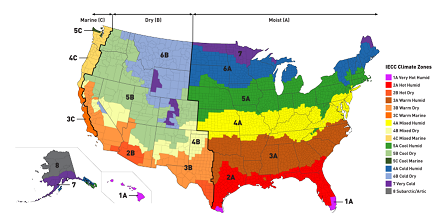
ERV Climate Zone Map
Know where Energy Recovery Ventilators make the difference before you design, spec, & install.